Explore elite marine vessel accessories, custom structural components, and docking apparatuses manufactured under strict international standards.
A comprehensive analysis of how global supply chains rely on industrial-grade ropes to safeguard assets and ensure port efficiency.
In the global maritime sector, few components are as critical yet under-evaluated as the humble dock line. Acting as the ultimate interface between a multi-million dollar vessel—whether a luxury superyacht, a specialized rowing shell, or a commercial steel trawler—and the static concrete of a terminal or dock, high-performance lines prevent catastrophic collision and structural damage. In an era marked by increasingly volatile meteorological patterns, rising sea levels, and surging container shipping velocities, the engineering behind dock lines has transcended classic rope-making, developing into a complex domain of polymer science and dynamic load distribution.
This report targets procurement directors, marine supply chains, and harbor authorities looking to optimize their acquisition strategies. From assessing global manufacturers to evaluating China's Factory 4.0 production capabilities, this B2B intelligence document outlines the key metrics necessary for selecting dock line factories that provide optimal price-to-performance ratios without sacrificing structural integrity.
High-elasticity materials prevent kinetic shock transfers from tidal waves directly to the boat cleats, preserving structural hulls.
Specialized external jackets reduce wear and tear under high salinity exposure and intense solar ultraviolet environments.
Modern materials like UHMWPE and advanced polyamides deliver custom tensile characteristics matching extreme yacht dynamics.
Understanding the structural chemistry behind high-strength line construction is essential before final supplier vetting. Standard options range from Nylon (polyamide) to Polypropylene, Polyester, and Ultra-High-Molecular-Weight Polyethylene (UHMWPE):

Time-honored designs paired with premium-grade construction and modern standardized execution.
How state-of-the-art Chinese exporters leverage automation systems to secure supply chains and deliver consistent technical tolerances.
Modern Chinese rope factories have transformed traditional, labor-intensive extrusion and braiding methods into highly optimized, sensor-driven operations.
Continuous Extrusion Control: Thickness sensors monitor fibers in real-time, eliminating physical micro-fractures.
Smart Tension Management: High-precision mechanical looms keep structural tension uniform, avoiding internal line stress points.
Unified Supply Chains: Combining polymer extrusion, twisting, double-braiding, and specialized protective coatings within single manufacturing centers reduces logistical costs.
Faced with global transport delays and fluctuating material prices, major Chinese exporters have built robust procurement models. They maintain large inventories of raw polyamide and high-density polyethylene chips to buffer against raw material market volatility.
Furthermore, factories situated in coastal clusters near Ningbo, Qingdao, and Shanghai enable direct marine shipping access. By integrating with high-tech ports, global distributors receive expedited ocean transport options and reliable lead times, significantly reducing overhead inventory expenses.

Value Redefined: Our commitment goes beyond selling high-quality ropes at competitive price points. We believe in providing robust marine systems, recognizing that no boat purchase is more critical than a high-performance vessel or the rigging that protects it.
By blending US engineering with German and Australian design expertise (collaborating with legendary designers like Klaus Filter and Graeme King alongside the Flying Eagle Boat Company), we craft outstanding racing shells and marine systems that set new industry standards for durability. Our advanced manufacturing capabilities focus on:
A strategic breakdown of the world's leading manufacturers evaluated on technical capabilities, custom design versatility, and strict quality control.
A powerhouse of high-tensile rope manufacturing. Specializing in advanced double-braided nylon and high-strength UHMWPE dock lines, they utilize computerized extrusion systems to supply international distributors and shipyards.
A pioneer in modern rope engineering. Best known for developing high-performance synthetic lines, their custom mooring and docking systems are widely used in heavy industrial shipping and offshore oil operations.
Combining deep European heritage with advanced technological innovation, they offer specialized, double-braided docking ropes engineered to withstand high UV exposure and harsh, freezing environments.
Leveraging Factory 4.0 automation, they excel in the high-volume production of cost-effective, premium-grade polyester and polyamide marine dock lines, making them a preferred OEM partner globally.
Focused on sustainability and technical precision, Gleistein produces premium superyacht dock lines and mooring systems using bio-based synthetic polymers and carbon-neutral energy sources.
A highly respected heritage brand in leisure sailing and defense applications. Marlow's high-tech splicing services and performance-oriented line designs are prized by elite racing syndicates.
A versatile European manufacturer offering custom maritime rigging ropes, yacht sheets, and heavy mooring lines designed to meet strict ISO 9001 and ISO 14001 certification frameworks.
Strategically located near major deep-water ports, this manufacturer is a leading exporter of heavy commercial ship lines, specializing in multi-strand plaited polypropylene and nylon configurations.
An agile, high-tech manufacturer supplying the international yachting market with robust, double-braided polyester dock lines known for excellent handling qualities and wear resistance.
Serving the Oceania and global marine industry, they engineer high-durability, shock-absorbent ropes optimized for high salinity and extreme marine environments.
Analyzing how environmental conditions and vessel classes dictate specific dock line properties and layout configurations.
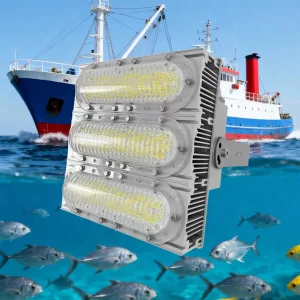
Commercial fishing trawlers operate in high-abrasion environments, pulling against concrete seawalls. They require thick, plaited polypropylene or heavy-duty polyester lines that resist fish oils, diesel spills, and friction heat.
Yachts demand clean aesthetics paired with absolute performance. Double-braided nylon or specialty UHMWPE ropes with polished, leather-spliced eyes are preferred, delivering exceptional shock absorption and premium looks.
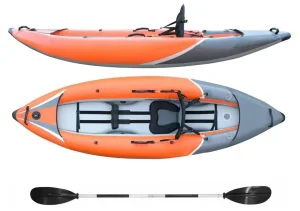
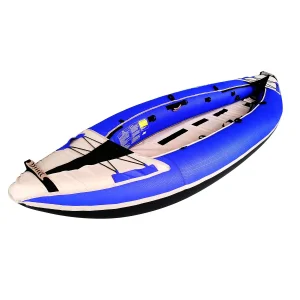
Inland docks hosting competitive shells, canoes, and passenger pontoons rely on smaller diameter, high-elasticity dock lines. These lines must remain supple when dry, ensuring quick slip adjustments during rapid water flow changes.
Crucial industry insights addressing safety margins, material life spans, and global procurement strategies.
As an industry rule of thumb, use 1/8 inch of dock line diameter for every 9 feet of boat length. For example, a 36-foot boat should use 1/2-inch lines. For heavier displacements or high-exposure slips, increase the line diameter by 1/8 inch to ensure a safe working load margin.
Nylon features dynamic elasticity, meaning it can stretch up to 15-20% under high tension, absorbing surge impacts and protecting the boat cleats. Polyester has very little stretch and, if used as a primary dock line, transfers the kinetic shock directly to the deck fittings, potentially causing structural failures.
Factory 4.0 leverages automated digital tension controllers, laser-guided fiber scanners, and unified polymer processing lines. This minimizes human error, ensures consistent tensile strength across production runs, and lowers production overhead, allowing buyers to secure high-end lines at highly competitive price points.
In standard marine environments, dock lines last between 2 and 5 years. This lifespan is determined by localized factors like solar UV intensity, salinity, tidal friction, and exposure to oils or abrasive harbor materials. Annual safety inspections for fraying or fiber hardening are recommended.
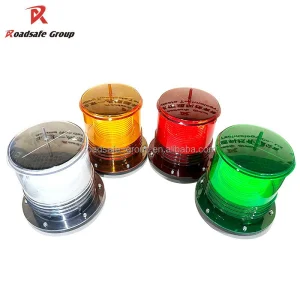
Explore marine safety gear, solar-powered warning systems, and rugged water sports products designed to meet demanding export specifications.
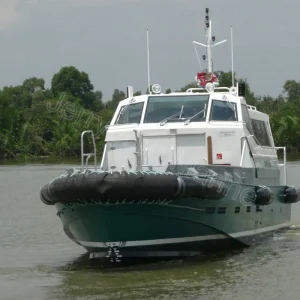
 Green Boat