The marine lighting industry has undergone a radical transformation from simple incandescent fixtures to high-performance, intelligent LED ecosystems. In 2024, the demand for boat lighting is no longer just about visibility—it's about Energy Efficiency, Semantic Integration, and Durability. According to global maritime data, the market is projected to grow at a CAGR of 5.8%, driven by luxury yacht customization and commercial fishing safety regulations.
Modern boat lighting factories are prioritizing the "Internet of Boats" (IoB). Integrating NMEA 2000 protocols allows lighting systems to sync with GPS, sonar, and onboard entertainment. Here is the technical roadmap for the next decade:
AI-driven lighting that adjusts color temperature based on ambient moonlight and sea conditions, reducing glare for navigators.
Shift from 316 Stainless Steel to Ceramic-coated composites to prevent galvanic corrosion in high-salinity environments.
Phase-change material (PCM) cooling systems that extend LED chip life by 40% in tropical water conditions.

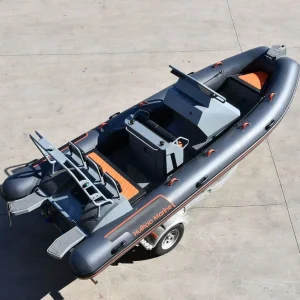
Building a great boat—and by extension, its lighting and power systems—comes down to three core fundamentals: Time-honoured design, premium materials, and construction standardisation.
Green understands that no single purchase is more important to a rower or rowing organization than buying a racing shell. Our mission is to establish global leadership as the foremost sustainable boat builder, making the sport accessible through cutting-edge technology.
Drawing on the combined expertise of US engineering and German and Australian design, we craft exceptional racing shells that set new standards for performance and durability. Our commitment to sustainability, affordability, and innovation drives us to propel the sport of rowing into a more inclusive and exciting future.
Why do 80% of the world's top boat lighting brands manufacture in China? It’s not just about cost—it’s about the integrated industrial cluster. From Zhongshan’s lighting hubs to Shenzhen’s electronics expertise, the supply chain resilience is unmatched.
Factories control everything from LED encapsulation to aluminum die-casting, reducing lead times from months to weeks.
Chinese exporters iterate product designs 3x faster than European counterparts, adapting to new marine regulations instantly.
Modern Chinese exporters utilize ISO9001:2015 and CE/RoHS certifications as a baseline, not a goal.
Lighting requirements vary drastically by geography and use-case. A fishing vessel in the North Sea has different needs than a luxury yacht in the Mediterranean.

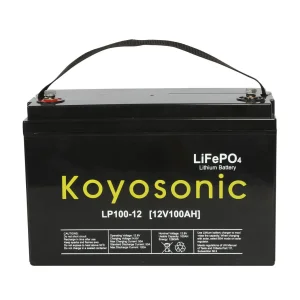
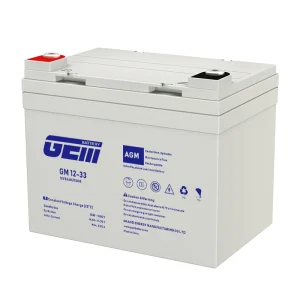
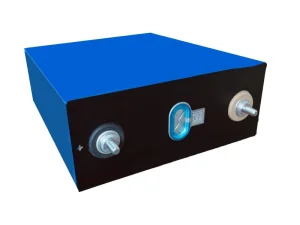
A: Unlike lead-acid, LiFePO4 batteries (like our 304Ah cells) provide a stable voltage discharge, preventing LED flickering and extending the lifespan of sensitive marine electronics. They also offer 1/3 the weight, crucial for racing boat performance.
A: Look for IP68 waterproof ratings for underwater lights and CE/FCC/RoHS certifications. For navigation, ensure compliance with IMO/COLREG regulations for visibility distance.
A: It refers to providing buyers with unique data—such as thermal dissipation charts or salt-spray test results—that go beyond basic catalog descriptions, helping you make informed procurement decisions.
 Green Boat