How to Protect Your Boat from Water Damage Effectively?

Time:2026-05-25 Author:Liam
0%

Properly maintaining a boat is crucial for its longevity. Water damage is one of the leading causes of issues for boat owners. According to the National Marine Manufacturers Association, the boating industry sees millions in losses due to water-related damages each year. Knowing how to protect a boat from water damage can save owners significant costs and headaches.

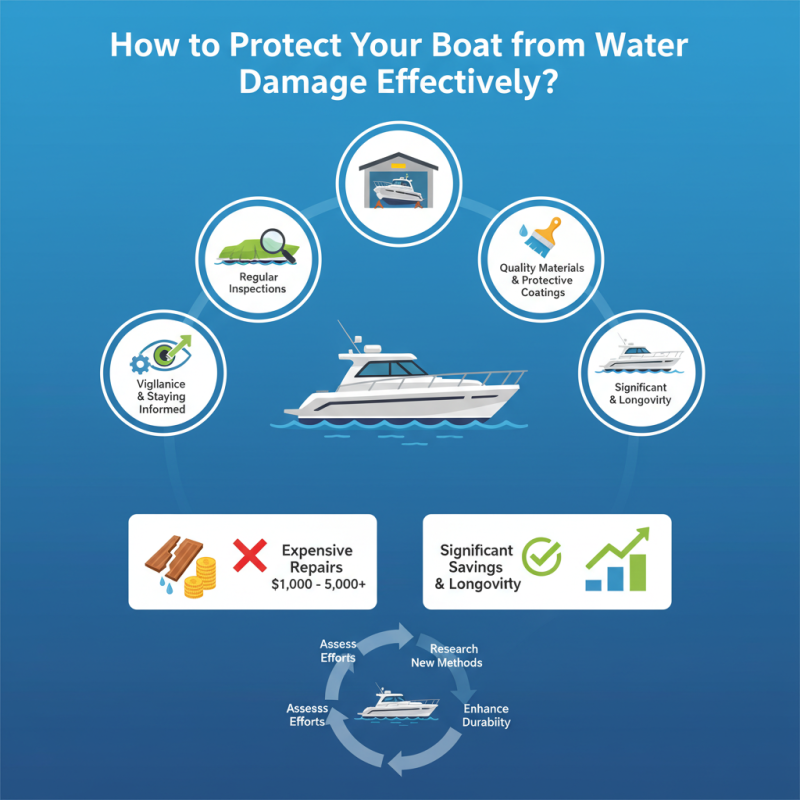
Boat repairs can be expensive, with average repair costs ranging from $1,000 to $5,000, depending on the extent of the damage. This raises the question: how to protect a boat from water damage effectively? Simple strategies like regular inspections and proper storage can make a difference. Using quality materials and protective coatings can also add an extra layer of defense.

However, it's important to note that not all preventative measures are foolproof. Even the best systems can fail. Owners need to stay vigilant, regularly assess their efforts, and remain informed about new methods and technologies. The ultimate goal is to mitigate risks and enhance the overall durability of the vessel.
How to Protect Your Boat from Water Damage Effectively?

Understanding Water Damage and Its Effects on Boats

Water damage poses a significant threat to boats. Statistics show that nearly 80% of boat owners report some level of water-related issues. Understanding how water affects boat materials can help in prevention. When boats sit in water for extended periods, they can experience rot, rust, and even molds that weaken structural integrity.

Moisture accumulation is detrimental. Fiber reinforced composites and wooden parts are particularly vulnerable. Prolonged exposure can lead to delamination and loss of buoyancy. The cost of repairs for severe water damage can exceed thousands of dollars. Being proactive helps in mitigating such risks.

Tip: Regularly inspect your boat for leaks. Check seals and hull integrity. Small cracks may become larger over time, leading to serious damage.

Tip: Use a cover when storing your boat. Waterproof tarps can prevent rain and snow from entering. This small investment can save you from costly repairs.

Tip: Monitor humidity levels. If you're storing your boat indoors, a dehumidifier can keep moisture at bay. Even minimal humidity can be harmful over time.

Identifying Vulnerable Areas of Your Boat

Identifying vulnerable areas of your boat is crucial for effective water damage prevention. One of the most susceptible parts is the hull. It's often exposed to water, sunlight, and debris. Regular inspections are essential. According to a study, nearly 65% of boat damage stems from hull issues, emphasizing the need for vigilant maintenance.

Another area to consider is the interior, particularly around hatches and windows. Poor sealing can lead to leaks, causing mold and corrosion over time. Research shows that interior water damage can be costly, with repairs averaging $2,500. Ensuring that seals are intact can save boat owners significant expenses.

Don’t overlook storage spaces. Moisture can accumulate in poorly ventilated areas, leading to long-term damage. A 2022 survey revealed that over 30% of boat owners faced issues due to neglecting these spaces. Regularly checking and ventilating storage can mitigate this risk. Regular maintenance and awareness of these vulnerable areas are key to protecting your investment.

How to Protect Your Boat from Water Damage Effectively?

Preventive Measures: Sealants and Covers

To effectively protect your boat from water damage, the right sealants and covers are essential. Research shows that more than 70% of boat owners experience some form of water damage, primarily due to inadequate sealing. High-quality sealants are designed to withstand harsh marine environments. They provide a waterproof barrier that prevents leaks. Using sealants in critical areas, such as joints and hatches, significantly reduces the risk of moisture intrusion.

Covers play a vital role in protecting boats from water damage. A good cover shields your boat from rain, snow, and UV rays. Statistics indicate that uncovered boats are 60% more likely to suffer from damage during storms. Covers also keep debris out, which can harbor moisture and lead to mold growth. Regularly inspecting and maintaining your cover is crucial. Even the best materials can wear out. Gaps or tears in covers can compromise protection, exposing your boat to potential hazards.

Many boat owners overlook these preventive measures. It's easy to assume that a vessel will remain safe without proper protection. However, neglecting sealant checks or ignoring cover integrity can lead to costly repairs. A proactive approach in maintaining these protective barriers is essential to ensure the longevity of your boat. Always remember the significance of prevention over repair; it saves both time and money in the long run.

How to Protect Your Boat from Water Damage Effectively? - Preventive Measures: Sealants and Covers

Preventive Measure Description Benefits
Sealants Use waterproof sealants on joints and seams to prevent leaks. Ensures watertight integrity, preventing moisture ingress.
Covers Invest in high-quality boat covers that fit well. Protects against rain, sun, and debris, extending the lifespan.
Regular Maintenance Schedule periodic inspections for hull integrity. Identifies potential issues before they become serious problems.
Drainage Systems Ensure proper drainage systems are in place and functional. Prevents water accumulation, reducing damage risk.
Tarps Cover the boat with a tarp when not in use. Protects against the elements and lowers maintenance demands.

Routine Maintenance to Minimize Water Exposure

Routine maintenance plays a crucial role in minimizing water exposure and protecting your boat from damage. Regular inspections can help identify leaks or weak spots that need immediate attention. Check seals, hatches, and fittings for wear. Small issues can escalate if left unattended.

Cleaning the boat frequently is also important. Dirt and grime can trap moisture, leading to mold and decay. Rinse the hull and deck regularly. Consider using a mild detergent suitable for marine use. This simple habit will help maintain the structural integrity of your vessel.

Don’t forget to inspect the bilge area. Accumulated water can cause serious problems. Ensure your bilge pump is functioning properly, and clean the area thoroughly. Reflecting on maintenance routines can reveal patterns. Often, we neglect small tasks. Staying disciplined in upkeep routines is vital for long-term protection.

Emergency Steps for Water Intrusion and Damage Control

Water intrusion can cause severe damage to your boat, so you must act fast when it happens. If you notice water entering your vessel, check all potential entry points. Look for leaks around hatches, seams, and any fittings. Use a flashlight to inspect difficult-to-see areas, as hidden leaks can lead to mold and structural issues.

Tips for quick action include using a portable bilge pump to remove excess water. Ensure your pump is operational before emergencies arise. Keep towels or absorbent pads ready to soak up minor leaks. Remember, prevention is better than cure. Seal any cracks or gaps when you store your boat.

In the event of water damage, remove wet gear and accessories immediately. Wet items can trap moisture. This can promote mold growth. Thoroughly dry the interior using fans or a dehumidifier. Inspect all materials for any signs of rot, as early detection can save you from costly repairs. Take a moment to reflect on your storage practices. Regular checks can prevent future issues.

FAQS

: What is the primary threat to boats related to water?

: Water damage is the main threat, affecting nearly 80% of boat owners.

How does prolonged exposure to water affect boat materials?

It can cause rot, rust, and mold, weakening structural integrity over time.

What are the most vulnerable areas of a boat?

The hull, interior hatches, and poorly ventilated storage spaces are particularly susceptible to damage.

How can regular inspections help boat owners?

Regularly checking for leaks and seal integrity can prevent small issues from becoming expensive repairs.

What preventive measures should boat owners take?

Using high-quality sealants and covers, plus monitoring humidity levels, can protect against water damage.

Why is covering a boat important?

Covers shield boats from rain, snow, and UV rays, reducing the risk of water damage by 60%.

What can happen if sealants are neglected?

Neglected sealants can lead to moisture intrusion, resulting in costly repairs over time.

How much can interior water damage repairs cost?

Repairs for interior water damage can average around $2,500, highlighting the need for preventive measures.

What simple action can mitigate moisture in storage spaces?

Regular ventilation of storage areas prevents moisture accumulation, protecting the boat from long-term damage.

What do many boat owners overlook regarding maintenance?

Many neglect sealant checks and cover integrity, which can lead to significant repair costs later.

Conclusion

Water damage can pose a significant threat to boats, leading to costly repairs and structural issues. To understand how to protect a boat from water damage effectively, it is essential first to recognize the areas most susceptible to damage, such as the hull, deck, and interior compartments. Implementing preventive measures like using high-quality sealants and protective covers will play a crucial role in shielding your vessel from moisture intrusion.

Additionally, routine maintenance is key to minimizing water exposure. Regularly checking for leaks, ensuring proper drainage, and keeping the boat clean will help maintain its integrity. In the event of water intrusion, having a clear emergency response plan for damage control can mitigate further harm. By following these guidelines, boat owners can significantly increase their chances of protecting their investment from the damaging effects of water.

Liam

Liam

Liam is a dedicated marketing professional with a profound expertise in the industry, where he excels at highlighting the unique advantages of our core products. With a keen understanding of market trends and consumer needs, Liam frequently updates our company’s professional blog, providing......