Why is Weather Crucial for Safe Boating Experiences?

Time:2026-08-13 Author:Charlotte
0%

Understanding why weather is important for boating can significantly enhance safety on the water. According to the National Oceanic and Atmospheric Administration (NOAA), over 70% of boating accidents are weather-related. These incidents highlight the critical role that meteorological conditions play in ensuring safe navigation.

Weather affects visibility, sea state, and wind conditions, all of which impact boating safety. For example, a sudden storm can create hazardous waves and reduce visibility, putting boaters at risk. Inexperienced boaters might underestimate the importance of checking weather forecasts before heading out. The U.S. Coast Guard reports that proper weather awareness can prevent many accidents.

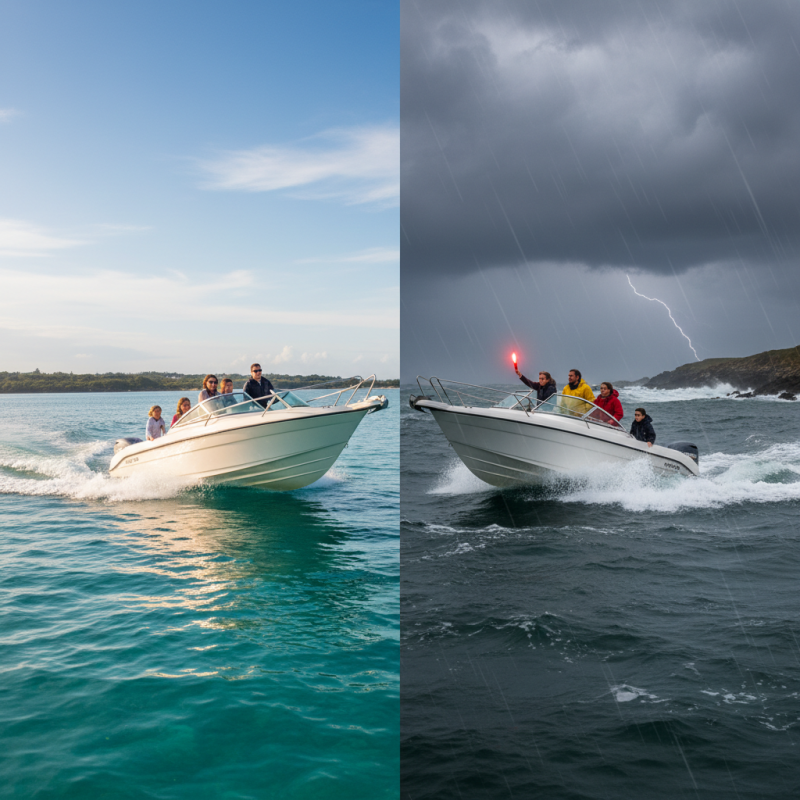
Boaters must recognize that conditions can change rapidly. A clear sky can turn stormy in minutes. Understanding why weather is important for boating fosters a culture of preparedness and vigilance. By valuing weather information, boaters can make informed decisions, reducing the risk of accidents and enhancing overall boating experiences.

Why is Weather Crucial for Safe Boating Experiences?

Understanding Weather Elements Affecting Boating Safety

Weather plays a vital role in ensuring safe boating experiences. Elements like wind, temperature, and precipitation can greatly impact a boat's stability and the safety of its passengers. Wind conditions can change rapidly. High winds may cause rough waters, making it hard to control a vessel. It's essential to monitor wind forecasts before setting sail.

Temperature also matters significantly. Cold weather can lead to hypothermia if someone falls overboard. Conversely, hot days can cause dehydration. A boater should always check weather updates to prepare accordingly. Rainfall can reduce visibility, increasing the risk of accidents. Storms can appear sudden, leaving little time for a safe return.

Understanding these elements is critical. A seasoned boater knows to always respect nature. Relying solely on GPS or technology can be misleading. Each outing provides an opportunity to learn about weather patterns and their effects on boating safety. A meticulous approach to weather observation will build confidence for any boating adventure.

Why is Weather Crucial for Safe Boating Experiences?

Weather Element Impact on Boating Safety Recommended Precautions
Wind Speed High winds can cause capsizing and loss of control. Check wind forecasts; avoid sailing in strong winds.
Rain Reduces visibility and can lead to slippery decks. Wear appropriate gear; ensure navigation lights are functional.
Temperature Extreme heat or cold can affect boat performance and safety. Dress appropriately and hydrate regularly.
Visibility Poor visibility increases collision risk. Use radar and GPS; keep a safe distance from other vessels.
Tides and Currents Strong currents can make navigation challenging. Plan routes according to tide schedules.

The Impact of Winds and Waves on Boating Conditions

Winds and waves are pivotal factors influencing boating conditions. According to the National Oceanic and Atmospheric Administration (NOAA), wind speeds of over 15 knots can create challenging conditions for small boats. Capsizing risks increase as wave heights rise beyond three feet, putting inexperienced sailors in dangerous situations.

Understanding wind patterns is essential for safe boating. A sudden gust can tip a boat or make navigation difficult. In addition, waves can vary drastically in different water bodies. For instance, open water often has larger waves compared to calmer inland lakes. Boat operators need to consider these variations when planning outings.

Data from boating safety reports highlight that nearly 70% of boating accidents occur due to adverse weather conditions. Poor visibility and unexpected wind shifts can lead to collisions and capsizes. Regular weather updates are vital for all boaters before heading out. Neglecting these can turn a leisurely trip into a perilous venture.

How Temperature and Humidity Influence Boating Safety

Weather conditions significantly impact boating safety. Temperature and humidity play vital roles in these experiences. According to the National Weather Service, sudden temperature changes can lead to hypothermia, especially in colder waters. Boaters need to be aware of chilly forecasts. Wearing appropriate gear is crucial.

High humidity levels can reduce visibility, creating dangerous situations. A report from the National Oceanic and Atmospheric Administration shows that fog accounts for 12% of marine accidents. Reduced visibility can quickly turn an enjoyable day into a perilous situation. Captains must monitor weather updates closely before heading out.

Understanding local weather patterns is essential for safe boating. Regionally specific forecasts can provide insights into potential storms. A study by the U.S. Coast Guard indicates that over 80% of recreational boating accidents are weather-related. Boaters should always check temperature and humidity when planning their trips. Simple mistakes can lead to serious consequences.

Impact of Temperature and Humidity on Boating Safety

This bar chart illustrates how different temperature ranges impact boating safety based on humidity levels. As temperatures increase, the relative impact of humidity on safety varies, highlighting the importance of monitoring weather conditions while boating.

Navigating Storms: Recognizing Weather Patterns for Boaters

Understanding weather patterns is essential for safe boating. Storms can emerge suddenly, catching even experienced boaters off guard. Recognizing the signs of changing weather is a skill that every boater must develop. Darkening clouds and sudden shifts in wind can signal an approaching storm. Familiarizing yourself with local weather systems is invaluable.

Boaters often overlook small changes in conditions. One minute, the lake seems calm; the next, waves are crashing against the hull. Watching local forecasts can offer a glimpse into the day’s conditions, but it doesn’t paint the full picture. Interpreting subtle changes in the atmosphere can enhance safety. For instance, a drop in temperature could indicate an incoming storm, while increased humidity might signal a squall.

Staying alert and informed is crucial. Many boaters rely on technology, but this isn’t always reliable. Battery-operated devices can fail. Understanding how to read nature's signals is a deeply personal skill. It requires constant practice and attention. Each outing can become a lesson in weather awareness, as conditions are never the same.

Preparation Tips for Safe Boating in Various Weather Conditions

Weather plays a vital role in ensuring safe boating. Sudden storms can arise, creating dangerous conditions. Therefore, preparation is key. Checking the forecast before setting out is essential. Look for updates frequently, as weather can change quickly. Understanding local weather patterns helps in making informed decisions.

When planning your trip, consider the following tips. Always bring extra gear, such as waterproof clothing. This can protect you from unexpected rain or wind. Ensure you have a reliable communication device on board. A well-charged cell phone or marine radio can be lifesaving. Remember, visibility can drop rapidly in fog. Adjust your plans accordingly.

Stay aware of your surroundings while on the water. Monitor the sky for dark clouds or shifts in wind. These can indicate worsening conditions. If you notice changes, do not hesitate to head back. It’s better to cut the trip short than to be caught off guard. Boating should be enjoyable, but safety must always come first.

FAQS

: Why is weather important for boating safety?

: Weather conditions affect boat stability and passenger safety. Wind, temperature, and precipitation play crucial roles.

How can high winds impact boating?

High winds can create rough waters, making it hard to control a vessel. Monitoring forecasts is essential.

What should a boater do in cold weather?

Cold temperatures can cause hypothermia. It's vital to dress warmly and prepare for emergencies.

How does hot weather affect boaters?

Hot days increase the risk of dehydration. Bring water and stay hydrated during your outing.

How does rainfall influence boating safety?

Rain reduces visibility, raising accident risks. Adjust your plans if rain is forecasted or expected.

What gear should I bring for unexpected weather?

Extra waterproof clothing is essential. A reliable communication device, like a charged cell phone, is also important.

How can I recognize worsening weather?

Monitor the sky for dark clouds and changes in wind. These signals indicate bad weather may approach.

What should I do if conditions worsen while boating?

If you notice changes, head back immediately. It's better to end the trip early than face dangerous situations.

Can technology replace weather observation?

Relying solely on GPS can be misleading. Always combine technology with your understanding of weather patterns.

What mindset should I adopt when boating?

Respect nature and be aware of changing conditions. Each outing is a chance to learn and improve your skills.

Conclusion

Understanding the crucial role weather plays in boating safety is essential for all boaters. "Why is weather important for boating?" is a question that highlights the impact of various weather elements on the safety and comfort of a boating experience. Factors such as wind and wave conditions can significantly affect navigation, while temperature and humidity levels influence both the physical comfort of passengers and the boat's performance.

Additionally, recognizing patterns in storm systems is vital for preventing dangerous situations, as severe weather can arise unexpectedly. Boaters can improve their safety by preparing adequately for diverse weather scenarios, including checking forecasts and equipping their vessels for changing conditions. Ultimately, a solid understanding of weather influences ensures safer and more enjoyable boating adventures.

Charlotte

Charlotte

Charlotte is a seasoned marketing professional with a deep understanding of the company's portfolio and a passion for elevating its presence in the market. With a keen eye for detail and a commitment to excellence, she ensures that our professional blog is regularly updated with insightful articles......