Boating enthusiasts often find themselves wondering, "Why are boats so expensive to maintain?" This question highlights a critical issue in the maritime industry. According to a 2022 report from the National Marine Manufacturers Association, boat maintenance costs can account for up to 10% of the boat’s value each year. This substantial expenditure often stems from a mix of factors such as regular repairs, fuel efficiency, and seasonal preparation.
Expert marine consultant Dr. John Mariner emphasizes, "The costs are not just about the boat itself; they reflect the ongoing investment required to keep a vessel seaworthy." Issues like engine maintenance, hull repairs, and the need for specialized parts drive these expenses higher. Boat owners frequently underestimate the costs involved, leading to unexpected financial strain.
In addition, market fluctuations and inflation can also impact maintenance costs. As many boating enthusiasts face rising prices, learning why these expenses are so significant is essential. Recognizing the complexities involved could help owners make informed decisions about their investments, ensuring their beloved vessels remain in top condition. It’s a reminder that boating is as much about passion as it is about commitment and finances.
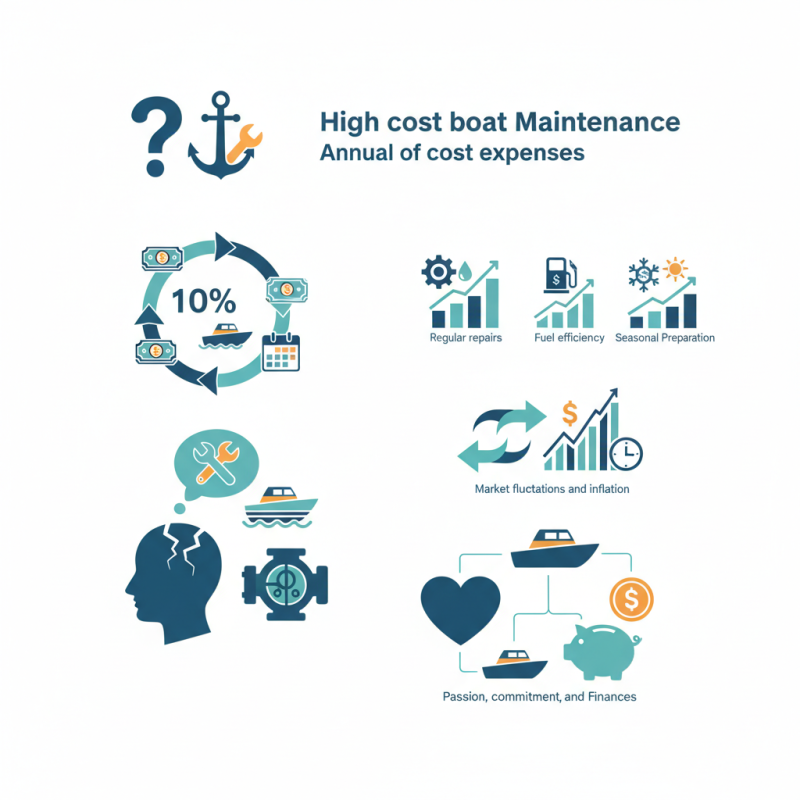
Boat maintenance costs can often seem overwhelming, but understanding their components can shed light on why they are so high. Regular maintenance plays a vital role in ensuring safety and longevity. According to the National Marine Manufacturers Association, boat owners can expect to spend about 10% of their boat's total value annually on maintenance. This figure includes routine services such as oil changes, electrical repairs, and cleaning, all of which can add up quickly.
In addition to regular upkeep, unexpected repairs can drastically increase costs. For instance, engine repairs can range from a few hundred to several thousand dollars, depending on the issue. A comprehensive survey from Boating Industry magazine indicated that 50% of boat owners faced unexpected repairs over the past year, emphasizing the importance of budgeting for these potential expenses.
Tips: Keep a maintenance log. Documentation helps track repairs, making it easier to predict costs. Also, consider seasonal check-ups. Early detection of issues can save money in the long run. When budgeting, always set aside a contingency fund for surprise repairs.
Boat maintenance costs can often be surprising, catching new owners off guard. Several key factors contribute to these expenses. First, regular maintenance is crucial for safety and performance. Routine checks ensure the engine runs smoothly. Neglecting these can lead to bigger issues and higher costs later on.
Another significant aspect is the materials used in boat construction. High-quality parts can be expensive. Corrosion protection, for example, is vital for longevity. Different climates also affect maintenance needs. Boats used in saltwater require more frequent attention compared to freshwater usage. The unique conditions can lead to unexpected repairs.
Labor costs can be another area to reflect upon. Skilled technicians demand fair wages for their expertise. Additionally, some maintenance tasks might be beyond the owner’s capabilities. This can lead to hiring professionals, which adds to the overall expense. Many owners find that satisfactory upkeep is an ongoing investment, not just a one-time expense. It's essential to consider these factors and budget accordingly.
| Maintenance Factor | Average Annual Cost (USD) | Frequency (per Year) |
|---|---|---|
| Engine Maintenance | $1,200 | 2 |
| Hull Cleaning | $600 | 4 |
| Safety Equipment Replacement | $400 | 1 |
| Electronics Maintenance | $800 | 1 |
| Winterization | $500 | 1 |
| Fuel System Maintenance | $300 | 2 |
Boat maintenance often comes with high costs, and specialized labor plays a significant role in this. Skilled technicians possess unique knowledge that general mechanics simply don’t have. They understand complex systems like engines, electronics, and hull structures. This expertise is critical when maintaining a vessel, but it doesn't come cheap.
The labor involved goes beyond basic repairs. It includes seasonal servicing, inspections, and custom modifications. Each task requires specific skills and tools. Many boat owners face challenges in finding qualified professionals. Not every repair shop has the staff trained in marine technology. Additionally, labor rates vary significantly based on location and technician experience.
In some cases, maintenance might be delayed due to high costs or limited availability of specialists. This can lead to long-term issues, making the boat less reliable. A poorly maintained vessel can endanger both safety and performance. Investing in expert labor now may prevent larger expenses later. But the true value of specialized labor is often overlooked until it's too late.
Boat maintenance costs can soar due to seasonal and environmental factors.
Seasonal changes bring unique challenges. In colder months, water can freeze, causing significant damage to the boat's hull and interior.
Owners must invest in winterization services to avoid costly repairs. The process typically involves draining water systems and adding antifreeze. This yearly service adds to overall maintenance costs.
Environmental conditions also play a role. Boats exposed to harsh sun can suffer from fading paint and deteriorating materials. Saltwater can be particularly damaging, leading to corrosion.
Regular cleaning and protective coatings are necessary investments. Many boat owners underestimate the upkeep needed in these environments.
Ignoring these factors can lead to expensive repairs down the line.
Moreover, regular inspections are crucial but often overlooked. Many owners wait until they notice a problem before seeking help. This reactive approach can lead to higher repair bills.
Preventative maintenance is vital to extend the life of a boat. It's essential to balance convenience and cost to maintain a sailing experience that is both enjoyable and economical.
Boat ownership brings joy, but maintenance costs can be daunting. Understanding your budget is crucial. One effective way to manage expenses is through regular inspections. This helps identify issues before they escalate. Set aside time each month for a thorough check-up. Inspect the hull, motor, and electronics. Small problems can turn into major repairs if left unattended.
Another tip involves seasonal preparation. Before storing your boat for winter, winterize it properly. This may include draining fluids and protecting the engine. Proper winterization can save you from costly damages. Additionally, consider joining a local boating club. Many offer shared resources and discounts on maintenance services. This can bring down your overall expenses significantly.
Learning to perform minor repairs can also ease the financial burden. Simple tasks like changing an oil filter or replacing a light can be managed by most boat owners. Online courses and the community can support you in this. It’s empowering to take control of your boat’s upkeep. That said, always reflect on your skill set. Recognizing when to seek professional help is crucial to avoid costly mistakes. Balancing DIY tasks with expert services can lead to optimal savings and enhance your boating experience.
This bar chart illustrates the average yearly costs associated with various aspects of boat maintenance. Understanding these costs can help boat owners budget effectively and look for ways to reduce expenditures.
: Boat owners often spend about 10% of their vessel's value each year on maintenance.
Regular maintenance ensures safety and extends the lifespan of the boat, preventing unexpected issues.
Unexpected repairs, like engine issues, can cost from hundreds to thousands of dollars.
Keeping a detailed maintenance log helps predict future costs and track repairs made.
Winter preparation includes draining fluids and protecting the engine to avoid costly damages.
Regular inspections help identify small issues before they become major repairs, saving money.
Yes, performing simple tasks like oil changes can save money and empower boat owners.
Local boating clubs often provide shared resources and discounts on maintenance services.
High costs or limited availability of skilled labor can lead to postponed maintenance, risking reliability.
It's important to recognize your limits and seek professional help to avoid costly mistakes.
Maintaining a boat can be a costly endeavor, leading many to question, "Why are boats so expensive to maintain?" The high costs can be attributed to several factors, including the complexity of boat systems, the necessity for specialized labor, and the seasonal and environmental impacts affecting maintenance practices. Boats require regular upkeep of their mechanical components, hulls, and electronics, which often necessitates skilled technicians who are familiar with specific aspects of marine technology.
Additionally, seasonal considerations, such as winterization or increased wear and tear during high-use periods, can add to overall expenses. To manage these costs effectively, boat owners should adopt strategic budgeting practices, emphasizing preventative maintenance and timely repairs to avert more significant issues down the line. By understanding these elements, boat enthusiasts can better navigate the financial commitments associated with their vessels.

Green Boat