The lifespan of a boat is influenced by numerous factors. Understanding these factors is crucial for boat owners. Research indicates that regular maintenance is essential for longevity. According to industry expert Jim Smith, “A well-maintained boat can last decades longer than one that isn’t.”
Environmental conditions significantly impact a boat's durability. Exposure to saltwater, for example, accelerates wear and tear. Additionally, the materials used in construction play a key role. Fiberglass boats may face different challenges compared to wooden boats.
Owner habits also matter. Boats left unattended for long periods are more prone to issues. Moreover, poor storage conditions can lead to degradation. Taking these aspects into account can provide insight into what affects the lifespan of a boat. Keeping these details in mind promotes a deeper understanding of boat maintenance and care.
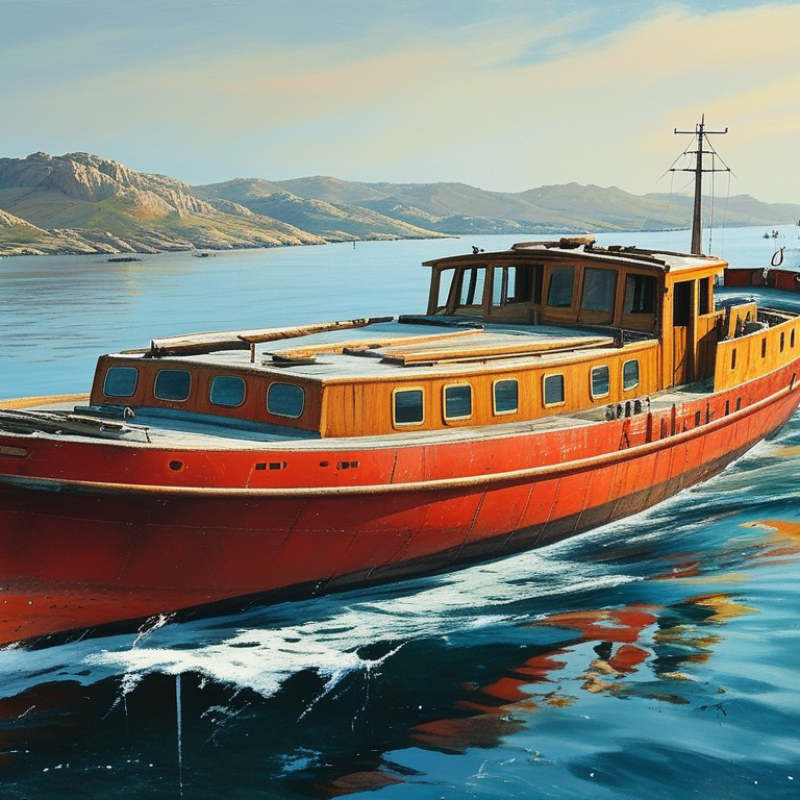
Boat design and construction materials play a crucial role in determining a boat's lifespan. The hull shape affects hydrodynamics, stability, and durability. A well-designed hull reduces resistance while navigating water. This is vital for both speed and fuel efficiency. Quality craftsmanship ensures that joints and seams hold strong under stress.
Material selection is equally important. Fiberglass is popular for its lightweight and resistance to corrosion. However, wood offers elegance and tradition. Yet, it requires regular maintenance to prevent rot. Metal boats, like aluminum, resist severe weather but can dent easily. Each material impacts not only the boat's appearance but also its longevity in varying conditions.
Common mistakes occur in neglecting maintenance and repair. Owners may overlook minor issues, thinking they’re inconsequential. This can lead to larger problems over time. Knowing when to repair or replace components is key. Awareness of environmental factors is crucial too. Saltwater can accelerate wear on materials, stressing the importance of care. Acknowledging these details can enhance the boat's lifespan significantly.
Environmental conditions play a significant role in the lifespan of a boat. Factors like exposure to saltwater, UV rays, and temperature fluctuations can cause wear and tear. Boats used in harsh climates often face more challenges. Prolonged exposure to the sun leads to fading and cracking in materials. Meanwhile, constant contact with saltwater accelerates corrosion and degradation. All these elements affect a boat's longevity.
Tips: Regular maintenance is crucial. Rinse your boat after each use to remove salt and debris. Apply UV protectants to shield surfaces from sun damage. Inspect for signs of wear, especially in high-contact areas. Keeping your boat covered when not in use can also reduce exposure to harsh elements.
Another aspect affecting lifespan is water conditions. Boats that frequently sail in rough waters experience more stress than those in calm environments. Waves and turbulence can cause structural damage over time. Choosing the right materials can combat these challenges. Durable materials resist wear better, while lighter options can decrease strain on the boat's structure.
Tips: When selecting a boat, consider the water conditions you'll face. Research materials and their durability. Ensure you’re aware of environmental factors in your operating area, as they will influence maintenance needs. Always be ready to adjust care routines for improved longevity.
| Factor | Impact Level | Description |
|---|---|---|
| Humidity | High | High humidity can promote mold and mildew growth, damaging materials over time. |
| Saltwater Exposure | Very High | Saltwater can lead to corrosion and degradation of metal and fiberglass components. |
| Temperature Fluctuations | Moderate | Extremes in temperature can cause thermal expansion and contraction stress on materials. |
| UV Radiation | High | Prolonged UV exposure can fade and weaken surfaces, particularly plastics and paint. |
| Maintenance Frequency | Very High | Regular maintenance can significantly extend the life of a boat by addressing issues early. |
| Storage Conditions | High | Proper storage methods can protect boats from harsh weather and environmental damage. |
Proper maintenance is essential for extending the lifespan of a boat. Regular inspections can reveal hidden issues. These can include leaks, corrosion, or frayed lines. For instance, checking the hull for small cracks can prevent significant repairs down the line. Early detection is key.
Cleaning the boat often can also improve its longevity. Saltwater can be especially damaging. Rinsing off salt and dirt after every trip helps prevent buildup. Smooth surfaces resist wear better than dirty ones. It's important to focus on these details.
Engine maintenance cannot be overlooked. Regular oil changes and filter replacements maintain efficiency. A well-functioning engine prolongs the craft's life. Some boat owners neglect these tasks, which leads to problems. Documenting all maintenance can help track necessary services. Reflecting on past maintenance mistakes can guide future practices.
When considering boat longevity, usage patterns play a pivotal role. Boats used frequently in harsh conditions, such as extreme weather or open seas, often have shortened lifespans. According to industry reports, boats subjected to saltwater exposure may deteriorate faster than those kept in freshwater environments. Proper maintenance is crucial for preserving a boat's structural integrity.
Many boat owners underestimate the impact of regular usage. Excessive speeds can cause wear and tear, affecting the hull and engine. A study indicated that boats operating over their recommended capacity could see a lifespan decrease of nearly 30%. It’s essential to know your boat’s limits.
Tips: Regular inspections after use can help identify issues early. Clean your boat meticulously after each trip, especially if used in saltwater. Also, storing your boat properly during off-seasons can greatly enhance durability. Reflect on your usage habits; are they contributing to wear? This awareness can promote mindful boating and extend your investment’s life.
The way a boat is stored can significantly impact its lifespan. Many boat owners overlook this critical factor. Proper storage protects the vessel from harsh weather conditions. For instance, UV rays can degrade paint and fiberglass over time. Boats left in direct sunlight often show signs of fading and surface damage.
Docking also plays a vital role in longevity. A secure and stable dock prevents movement that can lead to wear and tear. Boats that rock continuously may face issues with their hulls and fittings. Moreover, water exposure can lead to mold and corrosion if not monitored carefully. Regular inspections and maintenance during docking periods are crucial.
Choosing a suitable storage option isn't always straightforward. Indoor storage is excellent but can be costly. On the other hand, outdoor storage might expose the boat to the elements. Finding a balance between cost and protection is essential. Frequent checks ensure the boat remains in good condition. Taking these factors seriously can extend the life of any vessel.
: Boat design and construction materials significantly determine its longevity. The hull shape and quality craftsmanship matter.
A well-designed hull reduces water resistance. This improves speed and fuel efficiency, enhancing the overall experience.
Different materials like fiberglass, wood, and metal offer unique benefits. Each affects appearance and durability under various conditions.
Many owners neglect maintenance, ignoring minor issues. This can lead to more significant problems and repairs later on.
Frequent use in harsh conditions can shorten a boat's lifespan. Saltwater exposure often accelerates deterioration compared to freshwater use.
Regular inspections and thorough cleaning after each trip are essential. Proper storage during off-seasons protects against wear.
Proper storage shields a boat from harsh weather and UV damage. Indoor storage is protective but can be pricey.
A secure dock minimizes movement that leads to wear. Regular checks during docking help prevent mold and corrosion.
Yes, operating beyond recommended limits can decrease lifespan by nearly 30%. Awareness of these limits is vital.
Consider how often and in what conditions you use your boat. Mindful usage can significantly extend its life.
The lifespan of a boat is influenced by various factors that encompass both design elements and environmental considerations. Firstly, the choice of construction materials and the overall design significantly impact durability, as certain materials may withstand the test of time better than others. Additionally, environmental conditions, such as exposure to saltwater, sunlight, and temperature variations, can adversely affect a boat's longevity.
Maintenance practices play a crucial role in preserving a boat’s lifespan. Regular upkeep, including cleaning, inspections, and repairs, can mitigate wear and tear. Furthermore, how a boat is used and the patterns of usage, such as frequency and manner of operation, also determine its durability. Proper storage and docking methods are essential for protecting a boat from the elements when not in use. In summary, understanding what affects the lifespan of a boat involves a comprehensive look at construction, maintenance, usage, and storage practices.

Green Boat