As the boating season approaches in 2026, safety and preparedness become crucial. According to marine safety expert Captain John Marine, “Effective preparation can save lives on the water.” Understanding what should I check before going boating is vital for a successful outing.
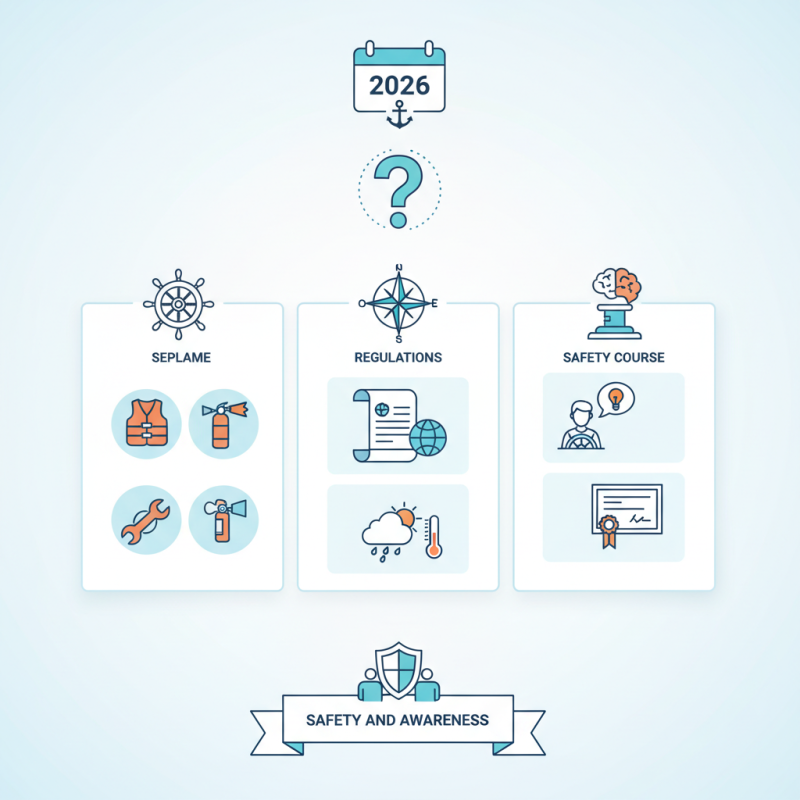
Before you set sail, consider your vessel's condition. Ensure it is equipped with necessary safety gear. Check life jackets, flares, and fire extinguishers. Proper maintenance of your boat can prevent accidents. Additionally, familiarize yourself with local regulations and weather conditions. Ignoring these aspects may lead to unpleasant surprises on your trip.
Lastly, think about your knowledge and skills. Reflect on your boating experience. Taking a safety course can enhance your confidence and decision-making. Remember, preparation is not just about the boat. It’s about your mindset and readiness to handle challenges. In 2026, make sure you prioritize safety and awareness.
Before you set out on the water in 2026, safety equipment is crucial. Every boater should have a personal flotation device (PFD) for each passenger. Check for compliance with local regulations. Inspect the PFDs for wear and tear. Ensure they fit properly. An ill-fitting PFD is of little use in an emergency.
Next, consider your communication devices. A reliable marine radio can be a lifesaver. Carry a charged phone and invest in a waterproof case. Also, a whistle or sound signaling device should always be on board. It’s easy to overlook these essentials. Lastly, make sure you have a well-stocked first aid kit. Regularly check its contents. Items often expire or become damaged.
Many boaters forget to review their equipment. This oversight can lead to dangerous situations. Reflecting on your past outings can help identify gaps in your safety gear. Each trip offers valuable lessons. Take time to assess what you need before heading out.
Before heading out on the water in 2026, it's crucial to be aware of the latest environmental regulations affecting boating. These laws are designed to protect marine ecosystems and promote safe, responsible practices. For example, many regions have restrictions on fuel types and waste disposal methods. Understanding these guidelines helps ensure that you are compliant and minimizes your environmental impact.
Checking local regulations is essential. Each state or territory may have specific rules regarding boating practices, including noise limits and protected areas. Researching these rules can be time-consuming but is necessary for responsible boating. Ignoring them not only risks fines, but can also harm local wildlife. Boaters may also need to obtain permits for specific activities.
Often overlooked, environmental compliance isn't just about rules. It’s about a commitment to preserving waterways for future generations. The boating community can be proactive by participating in clean-up events and using eco-friendly products. Reflecting on our habits and making small changes can have a significant impact. Every boater has a role to play in promoting sustainability on the water.
Before embarking on a boating adventure in 2026, thorough preparation is essential. Weather conditions significantly impact safety and navigation on the water. According to the National Oceanic and Atmospheric Administration (NOAA), around 46% of boating accidents are weather-related. Before setting sail, check for severe weather alerts. Stay informed about wind speed and storm warnings. Even mild forecasts can change rapidly.
Navigational uncertainties can increase risks. Data from the U.S. Coast Guard indicates that poor navigation accounts for over 30% of boating incidents. Utilize updated charts and GPS technology where possible. Understand local currents and tides. These factors affect boat handling and safety. It’s crucial to be aware of your surroundings, especially in crowded waters or unfamiliar areas.
If you notice or experience equipment issues, don’t ignore them. Mechanical failures can lead to emergencies at sea. Regular maintenance checks are vital. Ensure your vessel complies with safety regulations. This preparation can save lives. Reflect on past trips and learn from any mistakes. Each experience increases your knowledge and preparedness for future excursions.
Before hitting the water in 2026, conducting a thorough inspection of your boat is essential. Start with the hull. Look for cracks, chips, or signs of wear. A damaged hull can lead to leaks and compromise safety. Next, check the engine. Ensure it starts smoothly and there are no strange noises. Coolant levels should be optimal. A simple oversight here can turn a day of fun into a nightmare.
Don’t forget about safety gear. Verify that life jackets are present and in good condition. Each passenger needs one sized appropriately. Fire extinguishers must be within reach and not expired. It’s surprising how easily these items can be overlooked. Inspect the navigation lights as well. They’re crucial for visibility after dark.
Check the fuel system, too. No one wants to worry about leaks while out at sea. Inspect hoses, connections, and the fuel tank. Trust your instincts; if something feels off, it probably is. Examine your communication devices, like radios. They should be functional before departure. Remember, while being prepared can feel tedious, it’s a small price for safety and peace of mind on the water.
Before heading out for a boating trip in 2026, emergency preparedness must be a priority. Creating a robust response plan can mean the difference between danger and safety. Familiarize yourself with helpful resources tailored specifically for boating emergencies. Understanding the local coastline and weather patterns is critical. Storms can arise suddenly, impacting your plans and safety.
Always have an emergency kit onboard. Include essentials like a first aid kit, signaling devices, and extra supplies. Make sure everyone aboard knows where these items are located. A simple plan outlining communication procedures enhances overall safety. Consider how to reach emergency services from your location if needed. Organize regular drills with your boating group to practice responses. This will build confidence and ensure everyone knows their role.
Reflect on past experiences to strengthen your plans. Think about what went well and what did not in previous trips. Learning from mistakes can lead to better decision-making this time. Each outing is unique, so adapt your plans as necessary. Emergency preparedness is not just a checklist; it’s about cultivating a mindset. Prioritizing safety leads to more enjoyable boating experiences.
: Safety equipment is crucial to prevent accidents and ensure safety on the water.
You need a PFD for each passenger. Check for wear and ensure a proper fit.
Carry a charged marine radio and a waterproof phone. A whistle is also important.
Items may expire or get damaged. Keeping it updated ensures you're prepared for emergencies.
Weather conditions can quickly change. Many accidents are weather-related, so stay informed.
Use updated charts and GPS technology. Understand local tides and currents for safety.
Don’t ignore them. Regular maintenance is essential to avoid emergencies at sea.
Reflect on your trips to identify mistakes. Each outing can teach valuable lessons.
Forgetting to check safety gear and weather conditions can lead to dangerous situations.
Regular reviews are necessary. Ignoring equipment checks can result in serious risks.
Before heading out on a boating trip in 2026, it's crucial to ask yourself, "What should I check before going boating?" Begin with safety equipment, ensuring you have all necessary gear such as life jackets, flares, and a first aid kit, as regulations may have evolved. Next, familiarize yourself with current environmental regulations to ensure compliance and protect waterways.
Additionally, consider navigation and weather conditions to avoid hazards while at sea. A thorough boat maintenance and inspection checklist should be followed to ensure that the vessel is in safe operating condition. Lastly, prepare an emergency response plan to handle potential incidents efficiently during your trip. By addressing these areas, you can enjoy a safe and responsible boating experience.

Green Boat